Bornholm (Old Norse, Burgundarholm)
is a Danish island in the Baltic Sea located to the east of (most of) Denmark, the south of Sweden, and the north of Poland. The main industries on the island include fishing, arts and crafts like glass making and pottery using locally worked clay, and dairy farming. Tourism is important during the summer.
It also refers to Bornholm Regional Municipality, the municipality (Danish: kommune) which covers the entire island. Bornholm was one of the three last Danish municipalities not belonging to a County— the others being Copenhagen and Frederiksberg. On 1 January 2007, the municipality lost its shortlived (2003 until 2006) county privileges and became part of Region Hovedstaden (i.e. the Copenhagen Capital Region).
The small islands Ertholmene are located 18 km (11 miles) to the northeast of Bornholm. They do not belong to either a municipality or a region but are administered by the Ministry of Defence.
Strategically located in the Baltic Sea, Bornholm has been a bone of contention usually ruled by Denmark, but also by Lübeck and Sweden.
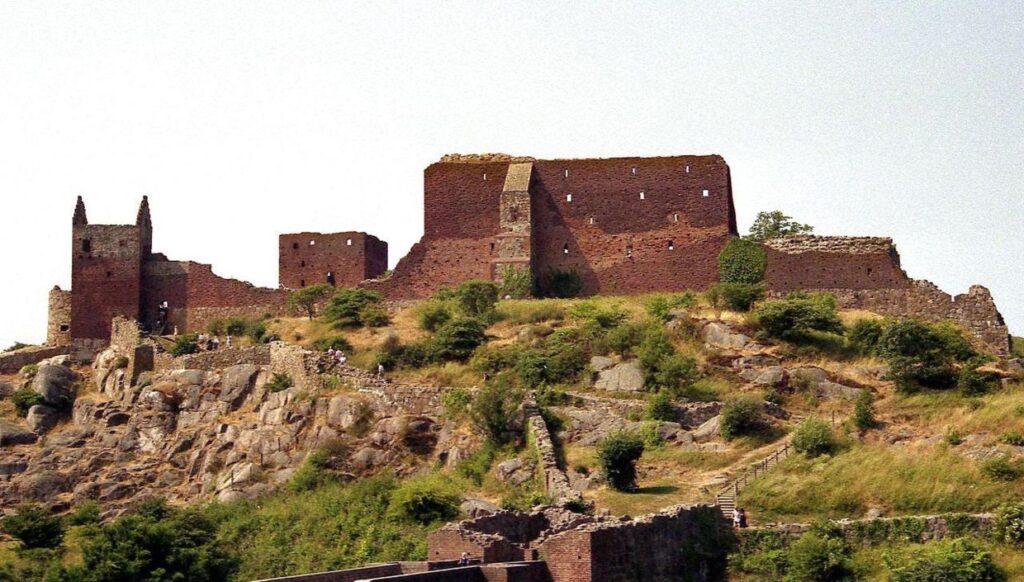
The castle ruin Hammershus, on the northwestern tip of the island, is the largest fortress in northern Europe, testament to the importance of its location.
Myths, legends and reality
If you go out with a ranger, wherever you go in the countryside you will be told short tales from their enormous store of Bornholm legends.
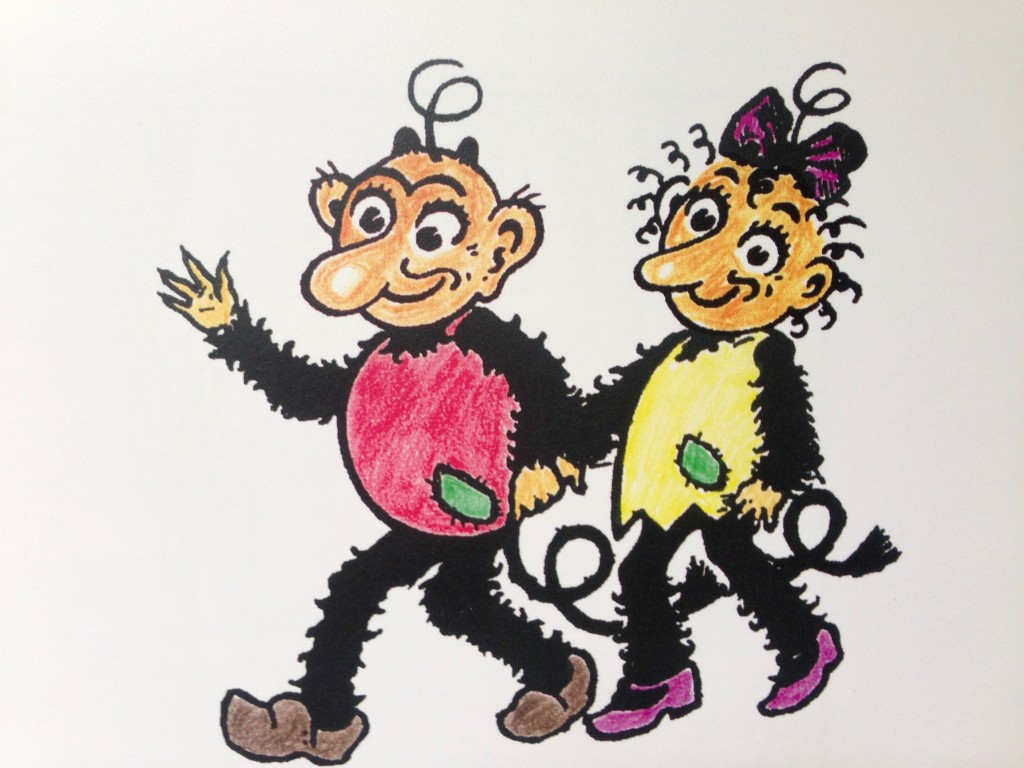
They are not plucked out of the air, but are traditional tales, some of which are based on superstition, while others are nothing less than the pure, unadulterated truth.
When Bobbân is spoken of, you might not be hearing historical facts, as Bobbâ is the Bornholm word for a troll.
But when it comes to explaining the four stone cairns next to Ølenevej, the myth is probably based on a real event, when three sisters from Siegård died in unfortunate circumstances. No, it’s better to watch the story for yourself – it was dramatised in 1996.
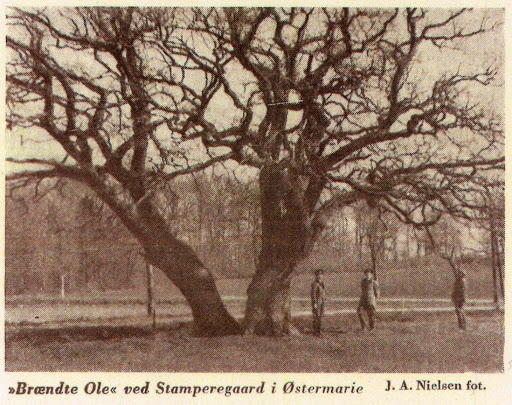
You can watch the story of Burned Ole, a Denmark-loving Swede, who survived the long knives when the locals took their revenge on the Swedes in 1658, but did not survive the thunderstorm … the burnt-out oak is still there.
The Treasure of the Knights Templars
It’s a possibility that the Knight Templars lived many years ago and that they were probably extirpated in the 14th century. However, many things seem to indicate that the Knight Templars go on living in our times – at least in spirit.
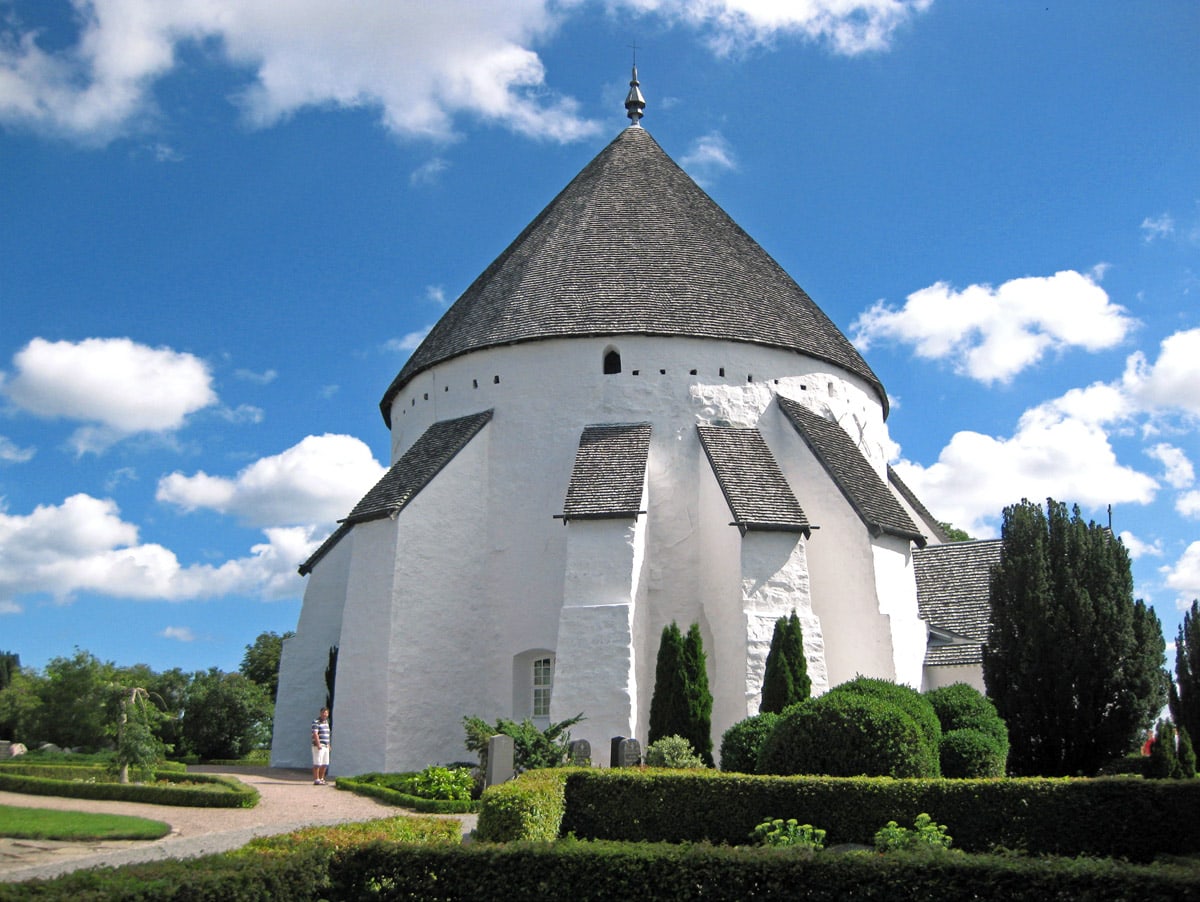
In the wake of the popular book “The Da Vinci Code” there has been a great interest for secret brotherhoods and the Holy Grail, round churches, Knights Templar etc.
In the summer of 2005, a new Danish film was shot on Bornholm. “The Treasure of the Knights Templars” (Tempelriddernes Skat) is inspired by the Bornholm round churches and tells the story about a storied and lost treasure.
Bornholm has a very interesting history. Click here to get to an interesting webpage where some of the above is taken from.